THE APEX JOURNAL · Water & wellness
Cleaner Indoor Air: Filters, Humidity and Fresh Air
A practical look at indoor air in a Dallas home: control pollutant sources, choose a filter your system can handle, keep humidity in range and plan fresh air.
Dallas homes spend much of the year closed up. Air conditioning runs from late spring into fall, windows stay shut on hot afternoons, and the same indoor air circulates for weeks at a time. Lingering odors, dust that comes back days after cleaning or a damp, heavy feel are all clues worth writing down.
EPA describes three basic strategies for better indoor air: control the sources of pollutants, bring in outdoor air through ventilation, and clean the air with filters or air cleaners. It identifies source control as usually the most effective of the three. EPA guidance on improving indoor air.
Start with sources you can control
Before buying equipment, list what adds to the air inside your home. EPA's introduction to indoor air points to fuel-burning appliances, cleaning and hobby products, some building materials and furnishings, and excess moisture, along with pollutants that come in from outdoors. EPA introduction to indoor air quality.
Practical things to note:
- Products stored indoors with strong odors, such as paints, solvents or pesticides
- Whether the range hood and bathroom fans vent outdoors, and whether they get used
- Recent remodeling, new flooring or new furniture
- Places where you have seen condensation, water stains or musty smells
These notes help separate a filtration question from a moisture or ventilation question.
Choose a filter your system can handle
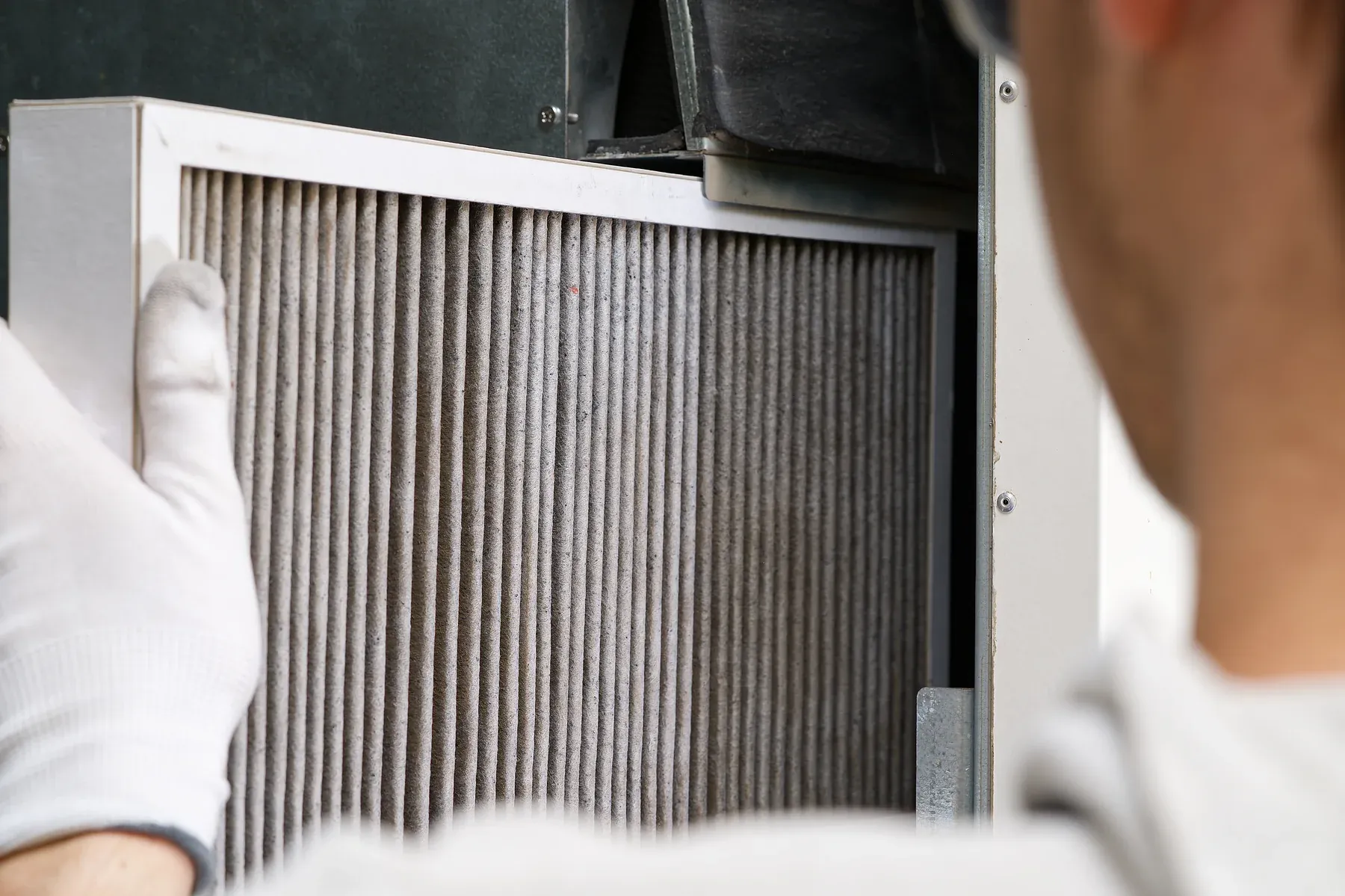
The filter in your heating and cooling system catches particles as air passes through. EPA's guide to air cleaners explains that filters are commonly rated by MERV, with higher numbers meaning better capture of most particle sizes. It recommends a filter rated MERV 13, or the highest rating your system fan and filter slot can accommodate, and suggests having a technician confirm what your system can handle. EPA guide to air cleaners in the home.
A few points from the same guide are easy to miss:
- The filter should fit snugly, without bending or gaps around the edges
- Filtration only happens while the system fan is running
- Manufacturers typically suggest replacement every 60 to 90 days, sooner if the filter looks dirty
- Filters do not solve mold or moisture problems
EPA also advises avoiding air cleaners that intentionally produce ozone, and notes that no federal agency has approved ozone generators sold as air cleaners for use in occupied spaces.
Keep humidity in a comfortable range
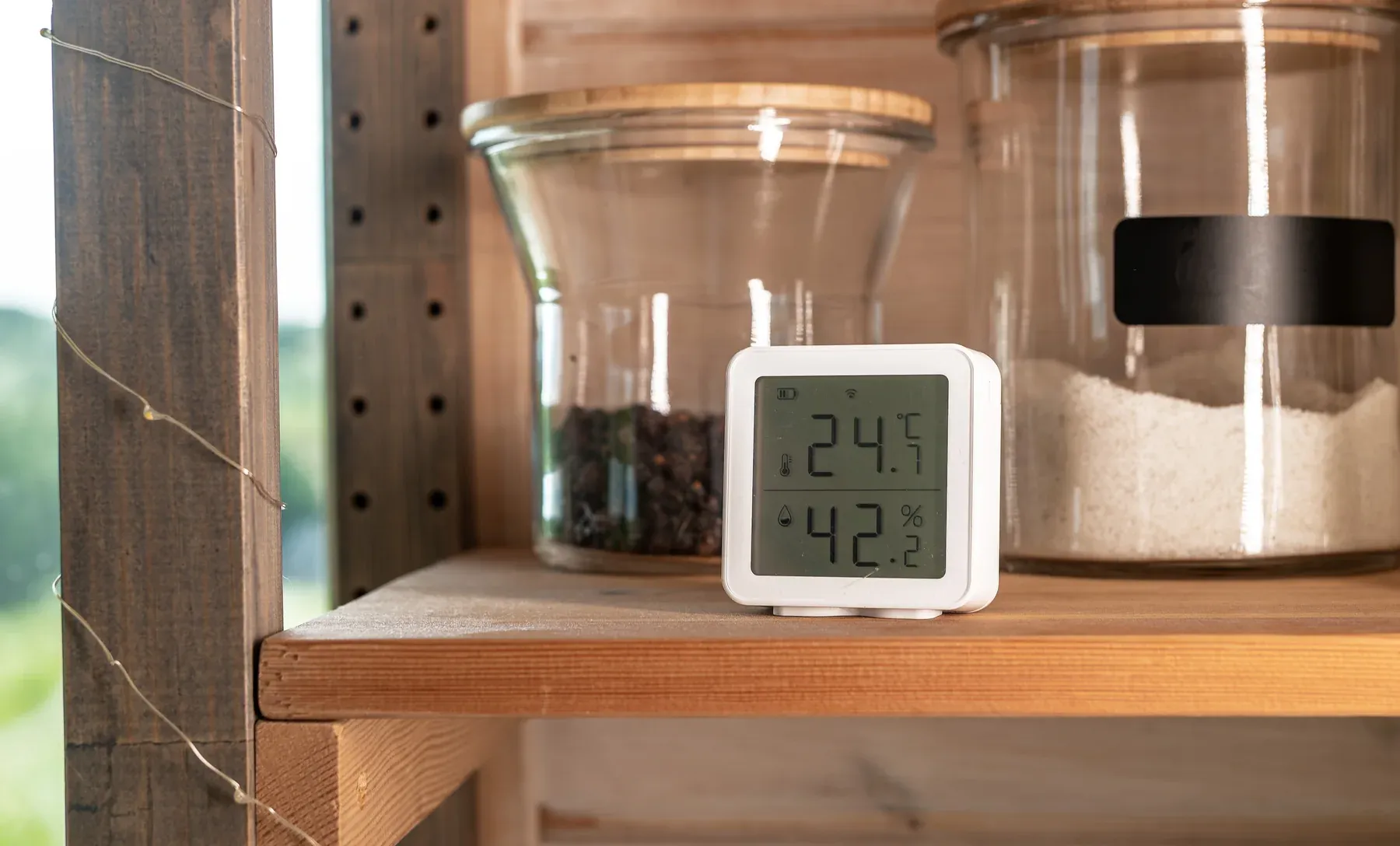
Moisture is part of air quality. EPA's mold guidance recommends keeping indoor relative humidity below 60 percent, ideally between 30 and 50 percent, and venting moisture-producing appliances such as clothes dryers outdoors where possible. It also notes that condensation can be a sign of high humidity. EPA guide to mold and moisture.
An inexpensive humidity monitor can show how your home behaves across a week of summer weather. If readings sit near the top of that range, or the house feels clammy even when it is cool, mention it at your next service visit. Our HVAC tune-up checklist covers what to ask about airflow and drainage, and our thermostat settings guide explains how to use the humidity reading many thermostats show.
Time fresh air around ozone days
Bringing in outdoor air helps dilute indoor pollutants, but timing matters. The Texas Commission on Environmental Quality forecasts Ozone Action Days for Dallas-Fort Worth from March through October, and notes that ozone builds most readily on warm, sunny days with light winds. TCEQ ozone facts.
TCEQ offers email and text alerts for its air quality forecasts. If you rely on open windows for fresh air, an alert helps you plan around high-ozone afternoons. The same page suggests choosing paints and cleaning products with low or zero VOCs, which echoes EPA's advice to control pollutant sources indoors.
When to ask about whole-home options
EPA notes that most residential forced-air systems do not mechanically bring in outdoor air. If your house is fairly tight, humidity stays high or odors linger, it may be worth asking a professional about:
- Whole-home dehumidification
- Mechanical ventilation that brings in filtered outdoor air
- A filter cabinet that lets a higher-rated filter fit properly
- Duct leaks that may draw attic dust into the system
For each option, ask what problem it addresses, what maintenance it needs and how you will know whether it helped.
Request a free home visit with Apex Smart Homes and bring your humidity readings, filter sizes and questions about fresh air.