THE APEX JOURNAL · Water & wellness
Hard Water Signs and How to Protect Your Water Heater
Spot the everyday signs of hard water, find your hardness number, and learn how scale affects your water heater before you consider any treatment.
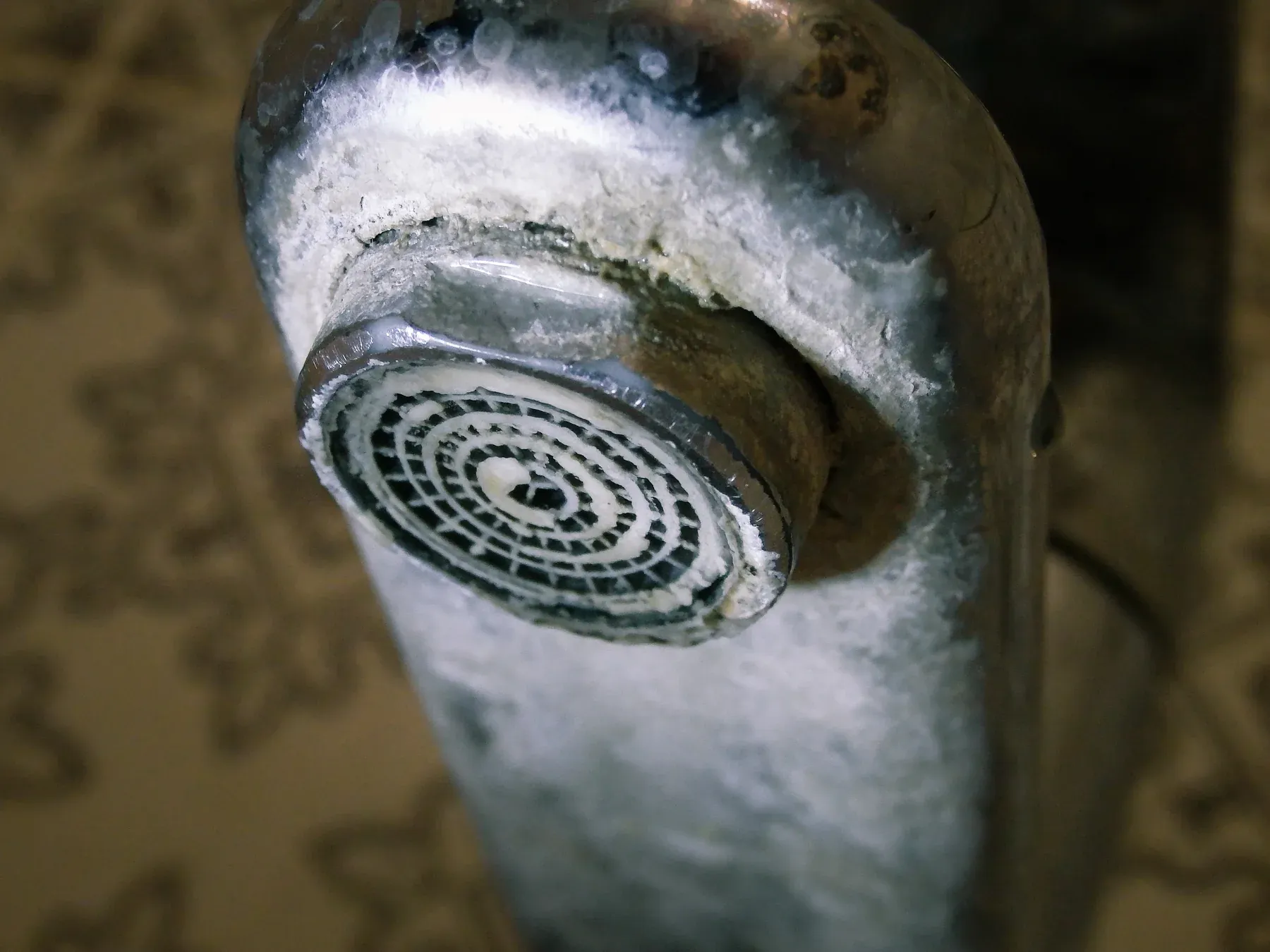
A white crust around the showerhead, cloudy spots on drinking glasses, soap that never quite rinses away: many Dallas-area homeowners notice these long before they look at a water report. The same minerals that mark your fixtures can also collect inside equipment you rarely see, especially the water heater.
According to the U.S. Geological Survey, hardness is a nuisance rather than a health concern, but the scale it leaves can shorten equipment life and make heating water less efficient. A sensible first step is to find out how hard your water actually is, then match maintenance and any treatment to that number. USGS overview of water hardness.
What "hard water" means
Hardness is mostly dissolved calcium and magnesium. It is reported in milligrams per liter (mg/L), parts per million or grains per gallon. The USGS uses these general bands:
- 0 to 60 mg/L: soft
- 61 to 120 mg/L: moderately hard
- 121 to 180 mg/L: hard
- More than 180 mg/L: very hard
The EPA's WaterSense guide to water softeners treats water above about 120 mg/L (roughly 7 grains per gallon) as generally hard, and notes that softeners are often recommended above about 180 mg/L (roughly 10 grains per gallon). EPA WaterSense softener guide.
Find your number before you buy anything
Start with the provider named on your water bill. Dallas Water Utilities draws surface water from the Elm Fork of the Trinity River and a group of reservoirs, including lakes Ray Roberts, Lewisville, Grapevine, Ray Hubbard and Tawakoni. Its annual report notes that water picks up naturally occurring minerals as it moves over land and through the ground. Dallas 2025 water quality report.
That report centers on detected contaminants and regulatory compliance, so a hardness figure may not be printed. If you cannot find one, the report points residents to 3-1-1 for more information. Homes in surrounding cities may have a different provider, so use your own utility's report. EPA also mentions a professional water test as another way to learn your hardness.
Write the result in both mg/L and grains per gallon and keep it with your home records. It becomes the starting point for any treatment conversation.
Signs worth noting around the house
Walk through the house once and jot down what you see:
- Chalky white deposits on faucets, showerheads and glass shower doors
- Spots or film on dishes after the dishwasher runs
- Soap and shampoo that lather poorly, or more soap scum than you expect
- Showerheads or faucet aerators that seem to lose flow over time
- Popping or rumbling sounds from the water heater while it heats
EPA explains that scale restricts water flow and reduces heat transfer, so water heaters operate less efficiently, and that fixtures and appliances with buildup need cleaning or replacement more often. Add dates and photos to your notes so a professional can see whether a problem is getting worse.
Protecting the water heater
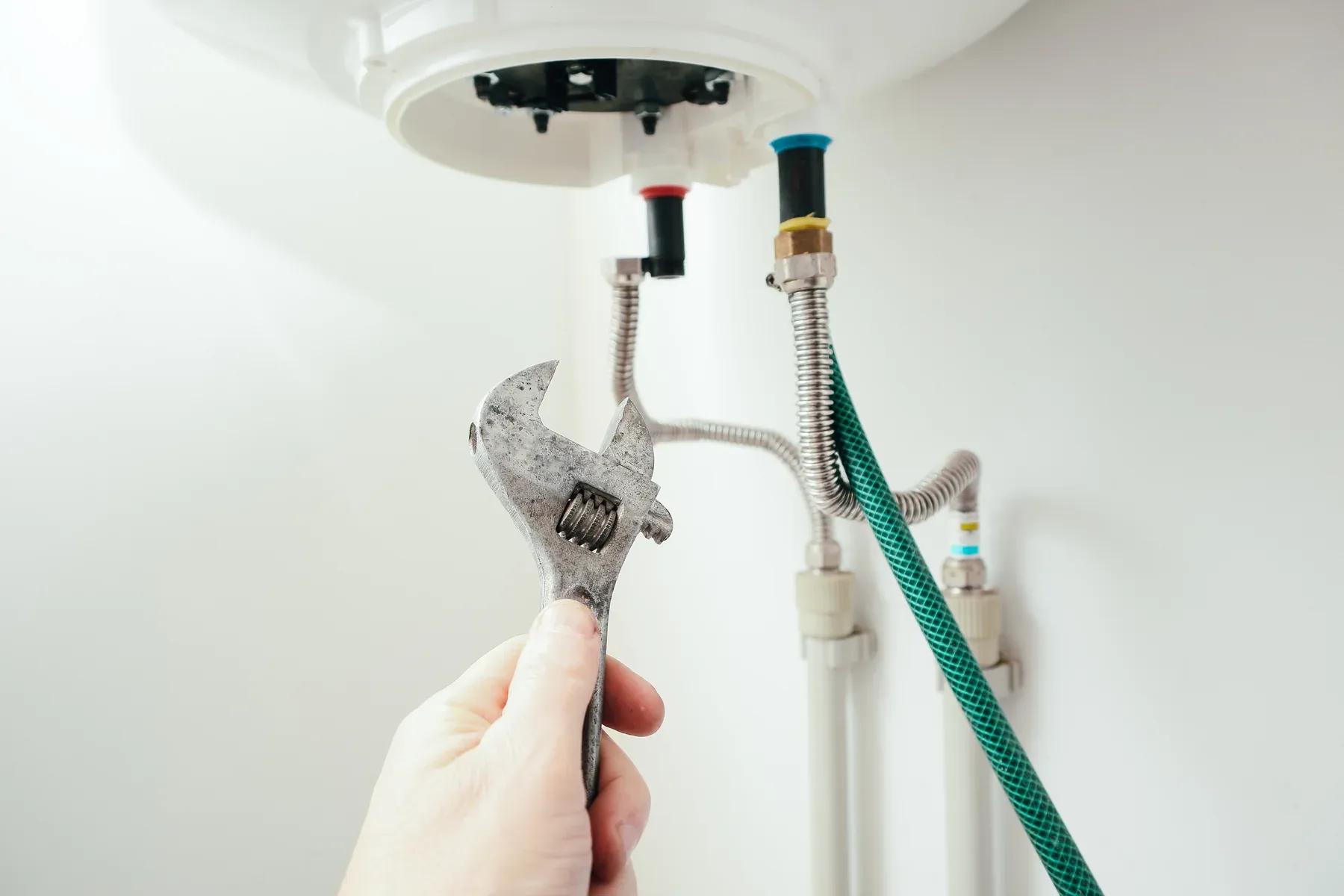
Start with the owner's manual and the label on the tank. The manufacturer's maintenance schedule, including any guidance on draining or flushing, is the reference to follow.
A New Jersey Department of Health guide explains that draining and flushing clears sediment from the bottom of the tank, and that sediment buildup makes the heater work harder. It strongly recommends hiring a qualified plumber, cautions that the water can be very hot, and warns that drain valves left untouched for years can rust and fail to close, leading to leaks. New Jersey guide to draining and flushing a water heater.
Because the job involves shutting off gas or electrical power, treat it as a plumber's task rather than a weekend project. While the plumber is there, ask about the temperature setting. The Consumer Product Safety Commission urges households to set water heaters to 120°F to help prevent tap water scalds, which most often injure young children and older adults. CPSC guidance on tap water scalds.
When to talk about treatment
If your number is high and the signs keep coming back, treatment may be worth discussing. Our guide to water filtration versus softening explains how those two jobs differ.
EPA's softener guide adds practical points to raise during that conversation:
- Softeners are sized by grain capacity, based on your hardness and household water use, and should not be oversized.
- The softener belongs on the supply line before water reaches the water heater, ideally after the branch that feeds irrigation.
- Demand-initiated regeneration uses salt and water only when needed. Ask whether the model carries NSF/ANSI 44 certification.
- Some local jurisdictions restrict softeners, so check the rules where you live first.
- Ongoing care includes adding salt, watching the brine tank and cleaning the resin as the manual directs.
Request a free home visit with Apex Smart Homes to compare your water report, the signs you have noticed and the care your water heater needs.