THE APEX JOURNAL · Comfort
Duct Leaks: Why Sealing Ducts Can Matter as Much as New Equipment
Dusty rooms, weak airflow and hot bedrooms can point to leaky attic ducts. Here is what to note and what to ask before you replace HVAC equipment.
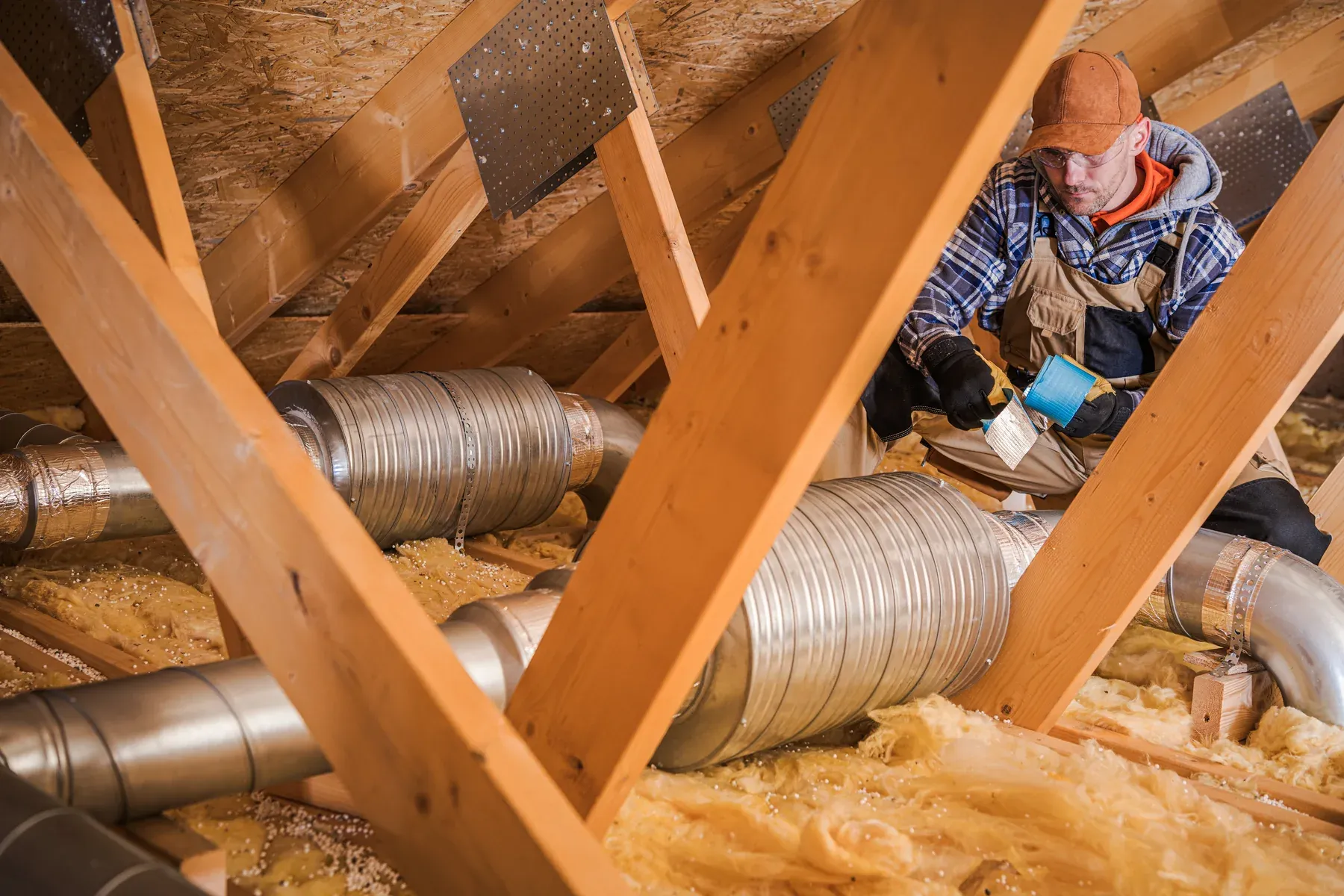
In many Dallas homes, the ducts that carry cooled air to each room run through the attic, one of the hottest places on the property in July. When a bedroom never quite cools down or the vents seem to whisper instead of blow, it is natural to blame the air conditioner. Sometimes the equipment is doing its job and the air is simply escaping before it arrives.
ENERGY STAR estimates that in a typical house, roughly 20 to 30 percent of the air moving through the duct system is lost to leaks, holes and poorly connected sections. That makes the ductwork worth a careful look before anyone recommends a new system. ENERGY STAR duct sealing guidance.
Why attic ducts work against you
Supply ducts carry conditioned air out to the rooms. Return ducts pull house air back to the equipment. When either side leaks inside a hot attic, cooled air can spill into the attic, or hot, dusty attic air can be drawn into the system.
A Department of Energy guide notes that attic ducts in hot, humid climates often lose more energy than ducts in protected areas, and that heat passing through uninsulated duct walls adds to the losses from leaks. DOE guide to duct efficiency.
ENERGY STAR also points out that leaky ducts can pull in dust and insulation particles, and that leaks can contribute to backdrafting, where combustion gases from gas appliances are drawn back into living spaces instead of venting outdoors. That is one reason duct repairs belong with a professional. ENERGY STAR on the benefits of duct sealing.
Signs worth writing down
You do not need tools to start. Keep notes for a week or two of hot weather:
- Rooms that are consistently harder to cool than the rest of the house
- Registers with noticeably weaker airflow than similar rooms
- Rooms that feel stuffy no matter how the thermostat is set
- Dust that settles quickly on furniture or collects around registers
- Summer bills that seem high for how the house is used
If you can see into the attic safely from the hatch, note any flexible ducts that look kinked, crushed, sagging or pulled apart. The DOE guide mentions that dark, dusty streaks on duct insulation near joints can mean air is being pulled through a leak, and that old cloth duct tape tends to lose its grip. Take photos instead of crawling across joists, and stay clear of wiring.
Mastic, tape and who does the work
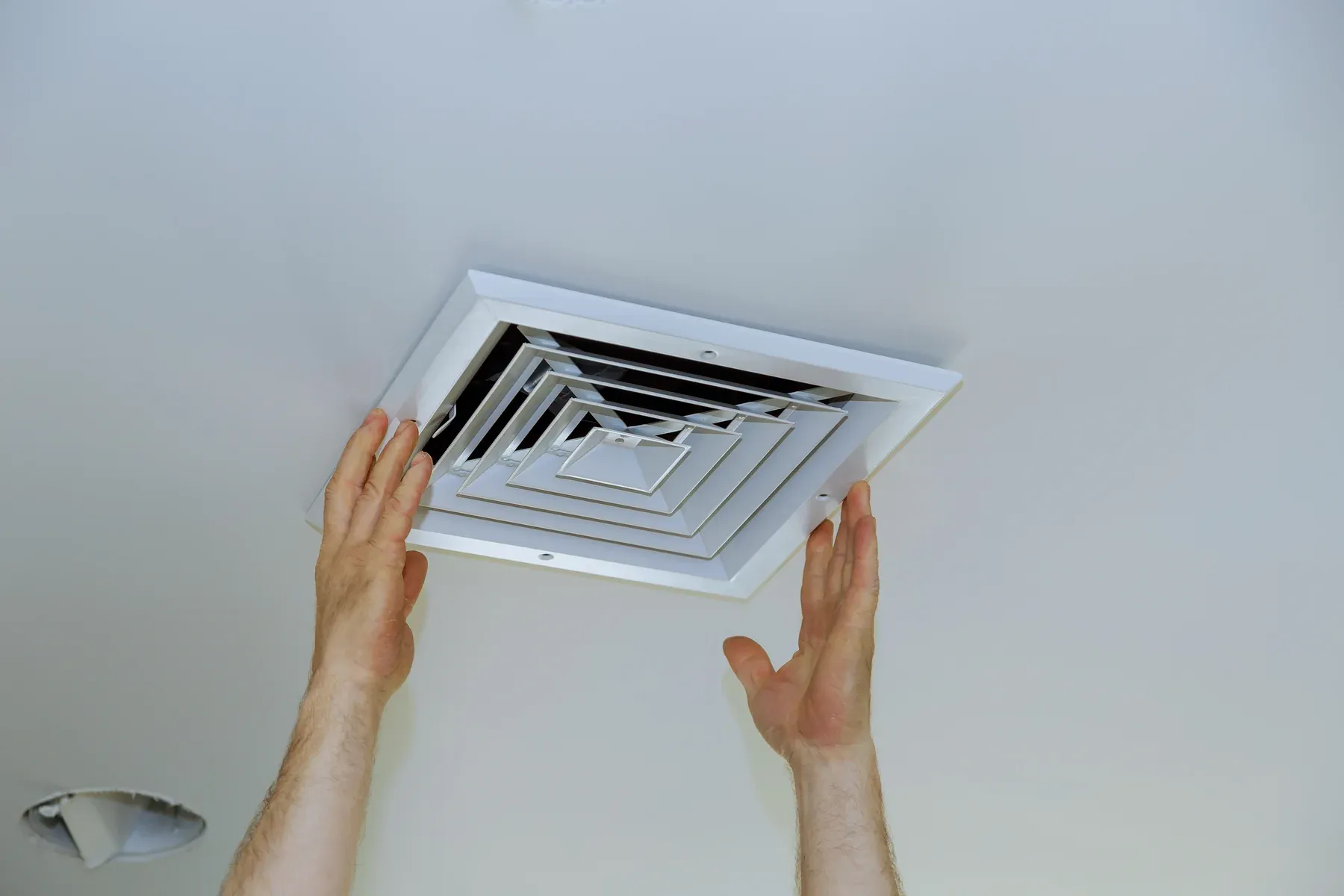
Sealing materials are not interchangeable. ENERGY STAR recommends mastic sealant or metal tape for duct seams and says never to use ordinary duct tape, because it does not last. The Building America Solution Center checklist describes contractors sealing connections with UL-approved mastic or UL 181 tape, then insulating accessible ducts in unconditioned spaces such as attics. Building America duct sealing checklist.
Even when a gap looks easy to cover, the ducts are tied to the equipment, the return air path and any gas appliances that vent nearby. DOE's Energy Saver guide says duct changes should be made by a qualified professional and that sealing work should be tested to confirm combustion safety and proper airflow. DOE Energy Saver guide. Fixing one side of the system without understanding the other can leave the home out of balance.
What a professional duct check should cover
A useful duct evaluation goes beyond a glance at the outdoor unit. Ask whether the contractor will:
- Inspect the full duct run, including the attic, and photograph damaged or disconnected sections
- Measure duct leakage before any work and share the result
- Check airflow at the registers in the rooms you flagged
- Shorten or straighten flexible ducts with sharp bends or extra length
- Retest after sealing so you can see what changed
The Building America checklist calls for a leakage test before any sealing, a target based on that first test that is shared with the owner, and a second test afterward with the results handed to the homeowner. If a proposal says only "seal ducts," ask where, with what material and how the result will be checked.
Questions to ask before replacing equipment
ENERGY STAR notes that a well-sealed duct system may allow a smaller system when equipment is eventually replaced, and that it can also help with dehumidification. Before signing for new equipment, ask:
- Were the ducts inspected and tested as part of this recommendation?
- Would sealing or repairing the ducts change the equipment size you suggest?
- Which problem rooms should duct work help, and which may need something else, such as attic insulation or window shading?
- Is duct work included in this price or quoted separately?
If one room is the main complaint, our guide to why one room feels hotter than the rest walks through other causes. If replacement is already on the table, see questions to ask before replacing a heat pump.
Request a free home visit with Apex Smart Homes to talk through your room notes, attic photos and duct questions before you commit to new equipment.