THE APEX JOURNAL · Comfort
What a Spring and Fall HVAC Tune-Up Should Include
A seasonal HVAC tune-up checklist for Dallas homes: what you handle between visits, what the technician should check and what to get in writing.
In Dallas, summer heat can settle in well before the calendar says summer, and a winter cold snap can arrive with little notice. A seasonal tune-up is meant to catch small problems before those stretches, when the system works hardest and service schedules fill up.
"Tune-up" can mean anything from a quick look to a thorough check, so it helps to know what a complete visit covers. ENERGY STAR publishes a maintenance checklist that splits the work into contractor checks and a homeowner task, and it recommends checking cooling in spring and heating in fall. ENERGY STAR maintenance checklist.
Time the visits around Dallas seasons
ENERGY STAR suggests booking ahead of the busy seasons and offers an easy reminder: the spring and fall clock changes. The Department of Energy's consumer guide gives the same advice, with air conditioners inspected in spring and furnaces checked in fall. DOE consumer guide to home heating and cooling.
If your home uses a heat pump, both visits matter, because the same equipment handles summer cooling and winter heating. Our guide to questions before replacing a heat pump covers the bigger decisions if your system is near the end of its life.
Your part between visits
Homeowner upkeep is short, but it counts:
- Filters. ENERGY STAR recommends checking the filter monthly, especially in heavy-use seasons, and changing it at least every three months. Note the size printed on the frame. Our indoor air quality guide explains how to think about filter choices.
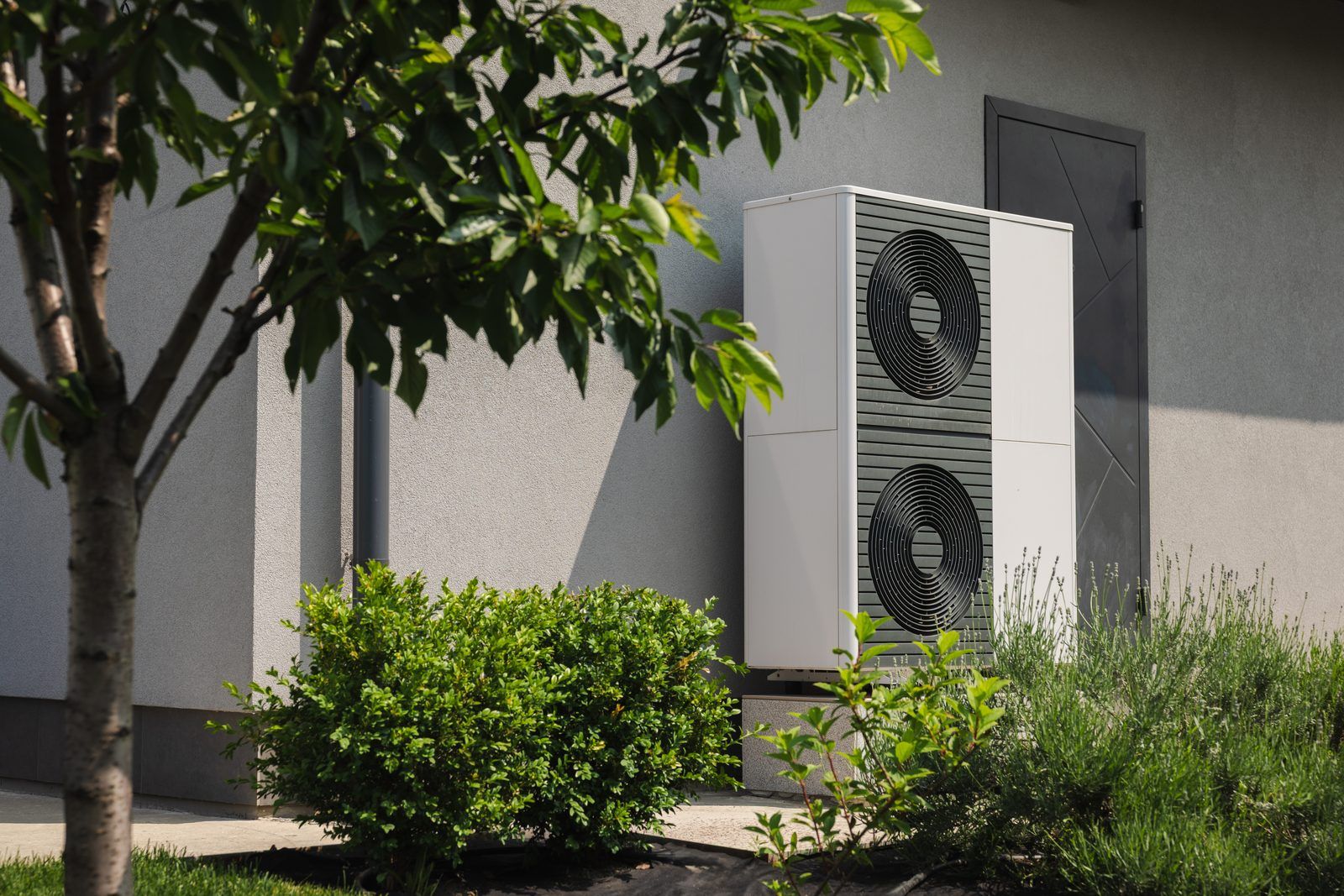
- The outdoor unit. DOE advises clearing weeds and debris around outdoor air conditioners and heat pumps so air can circulate freely. Trim plants back and keep stored items, mulch and grass clippings away from the coil.
- Vents and returns. Keep supply registers and return grilles open and clear of furniture and rugs.
- Water where it should not be. Watch for drips, stains or a wet pan near the indoor unit and mention them at the next visit.
Leave everything else to the technician. Refrigerant work, electrical checks and opening equipment panels are professional tasks. Federal rules under Clean Air Act Section 608 prohibit intentionally releasing certain refrigerants into the air, and EPA oversees a technician certification program for people who service this equipment. EPA Section 608 overview.
What the technician should check
ENERGY STAR's checklist gives you a fair yardstick for any visit. On every system, the technician should:
- Review thermostat settings for comfort while you are home and lighter operation while you are away
- Tighten electrical connections and measure voltage and current on motors
- Lubricate moving parts where the equipment calls for it
- Inspect the condensate drain, since a plugged drain can cause water damage
- Confirm the system starts, runs and shuts off properly
For cooling, the list adds cleaning the indoor and outdoor coils, checking the refrigerant level, and cleaning and adjusting blower parts for proper airflow. For gas heating, it covers gas connections, gas pressure, burner combustion and the heat exchanger, where a dirty burner or a crack can cause improper operation.
Spring and fall visits in a Dallas home
A spring visit prepares for the long cooling season. Ask that the coils, condensate drain and airflow get particular attention, since those parts carry the load through humid summer months.
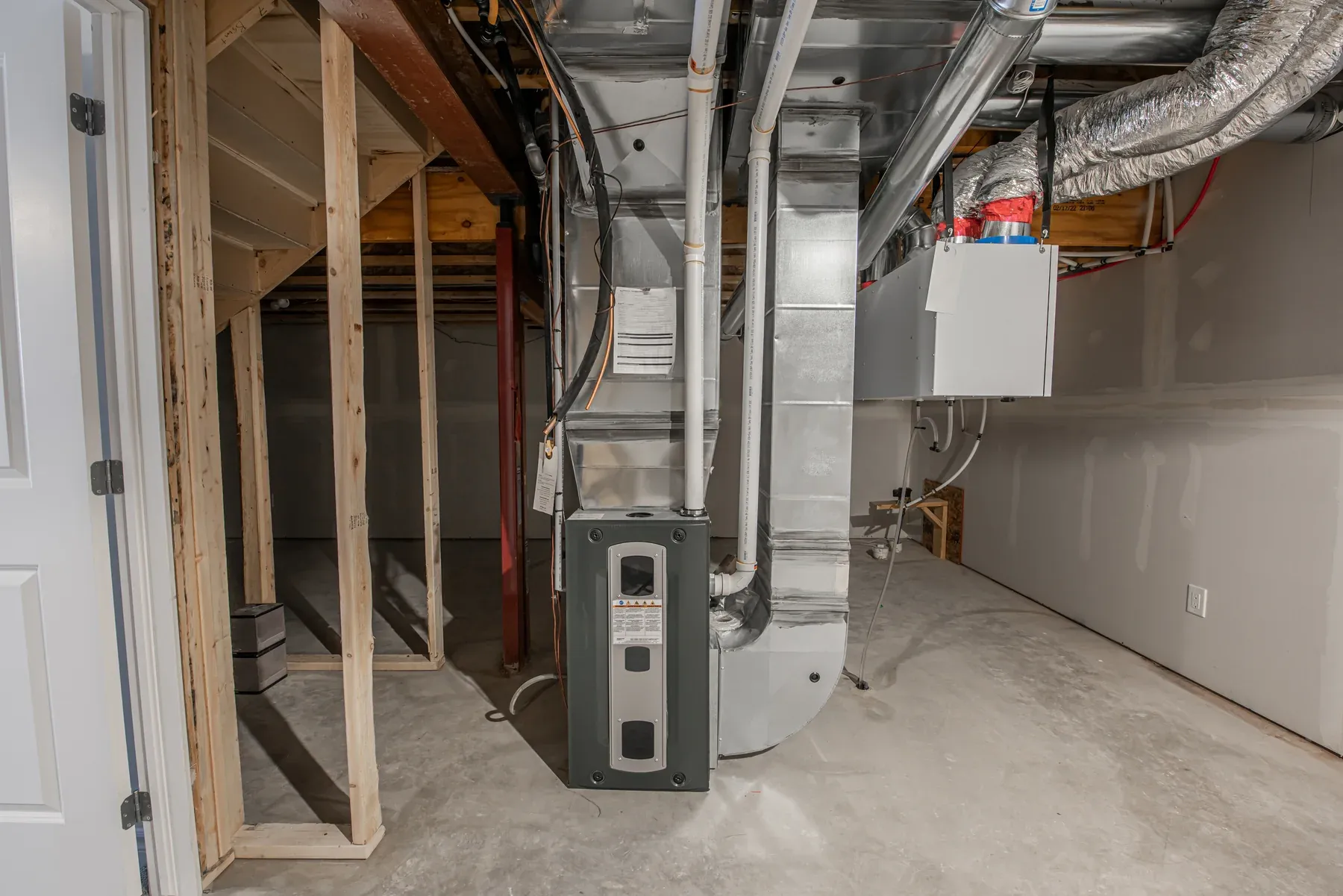
A fall visit turns to heat. For a gas furnace, that means the combustion and heat exchanger checks. For a heat pump, ask the technician to run it in heating mode and explain how any supplemental heat is checked. Fall is also a good moment to look ahead to freezing weather; our guide to freeze-proofing a Dallas home covers pipes and backup heat.
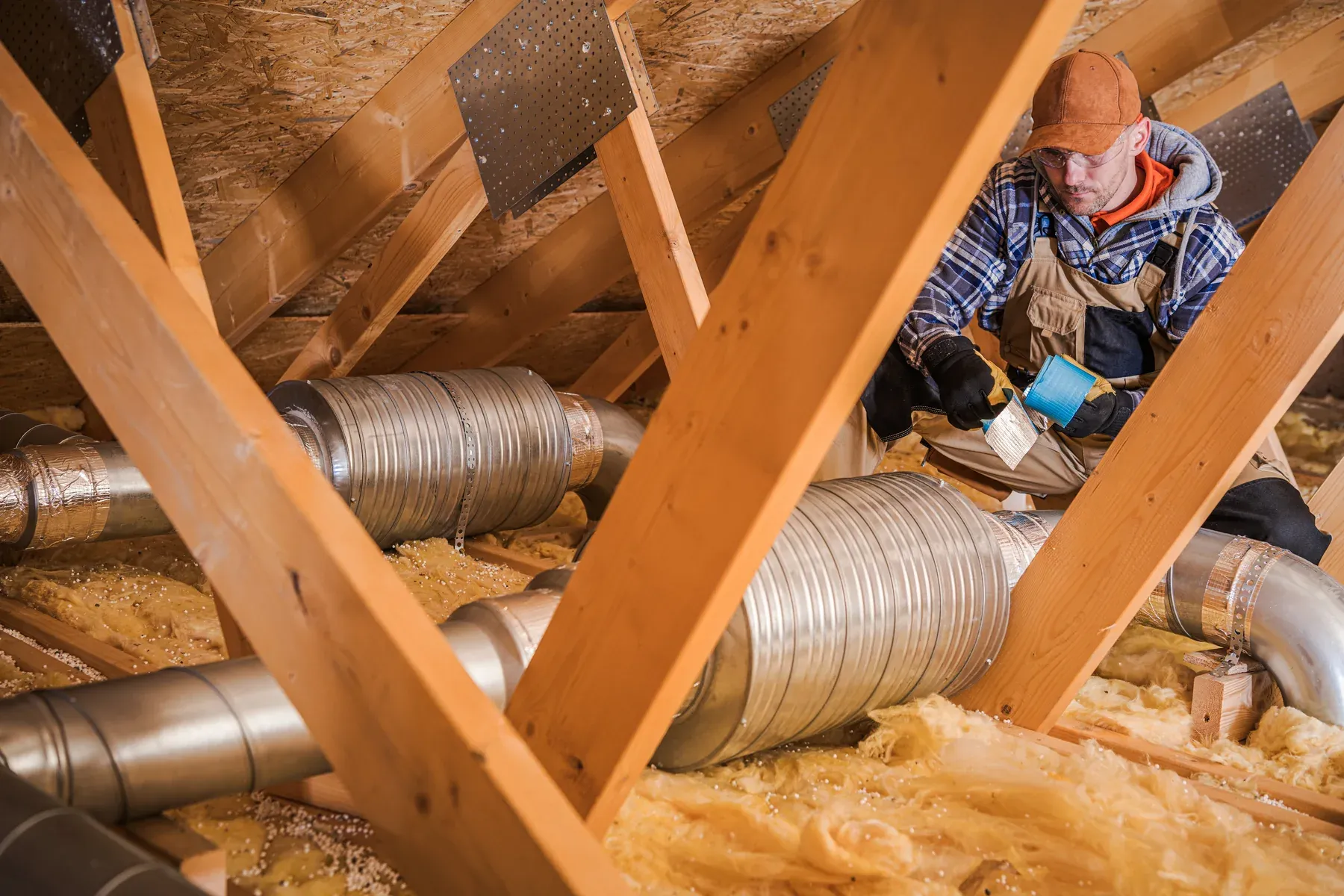
If some rooms stay uncomfortable after the system checks out, the cause may be in the ductwork rather than the equipment. See why sealing ducts can matter.
Ask for the findings in writing
A useful visit ends with a written service report, not just a verbal "all good." Ask that it list:
- Equipment model and serial numbers
- What was checked, cleaned or adjusted
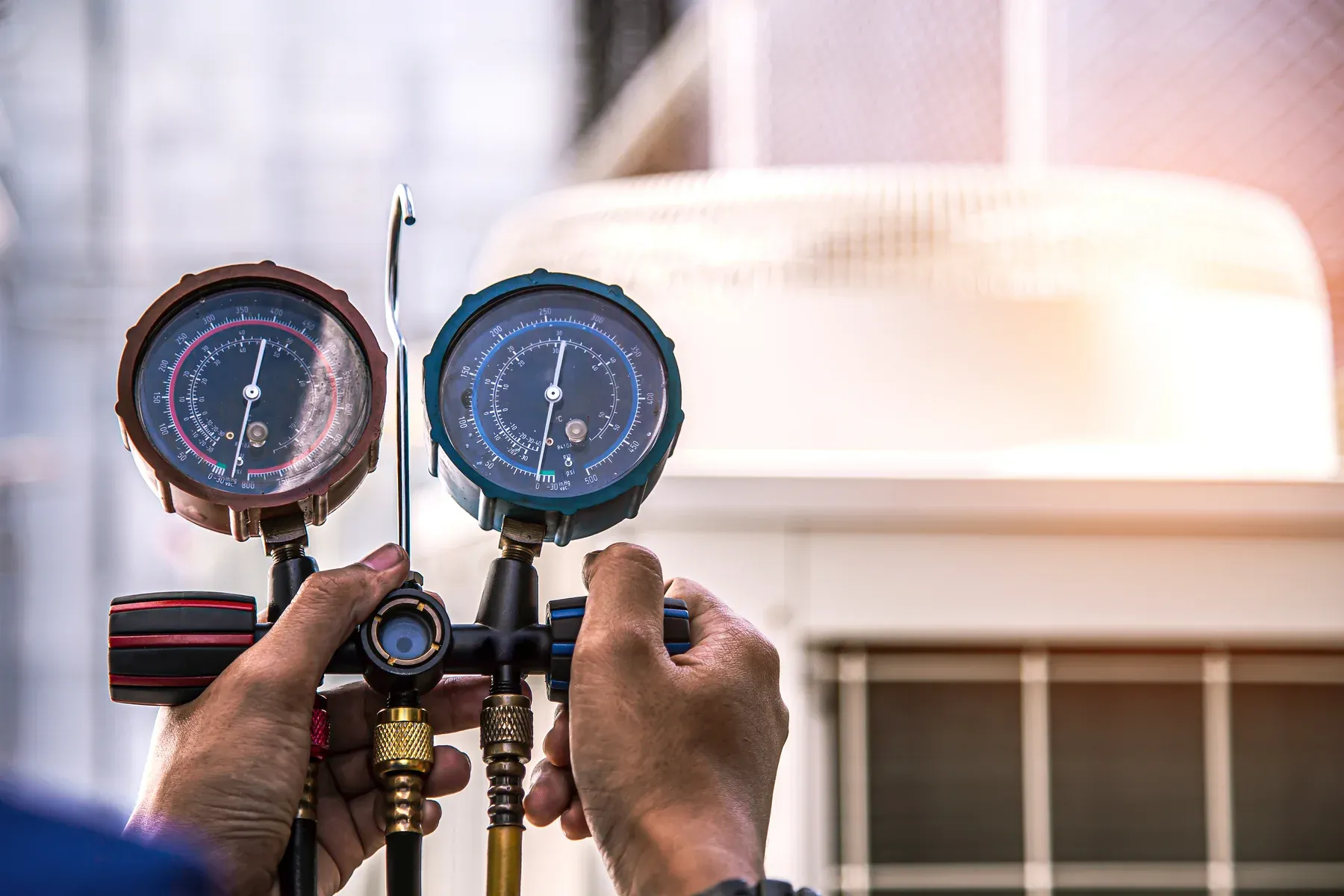
- Readings taken, such as refrigerant pressures or electrical measurements
- Recommended repairs, separated into urgent items and things to watch
- Photos of anything flagged
If a repair is recommended, ask what happens if it waits until the next visit, and request an itemized written estimate before work begins. Keep the reports together; a few years of records make it easier to weigh repair against replacement later.
Request a free home visit with Apex Smart Homes to plan seasonal care for your system and talk over any comfort problems you have noticed.