
THE APEX JOURNAL · Comfort
Questions to Ask Before Replacing a Heat Pump
Use these questions to compare heat-pump proposals, understand sizing, and plan for comfort in both Dallas summers and colder weather.
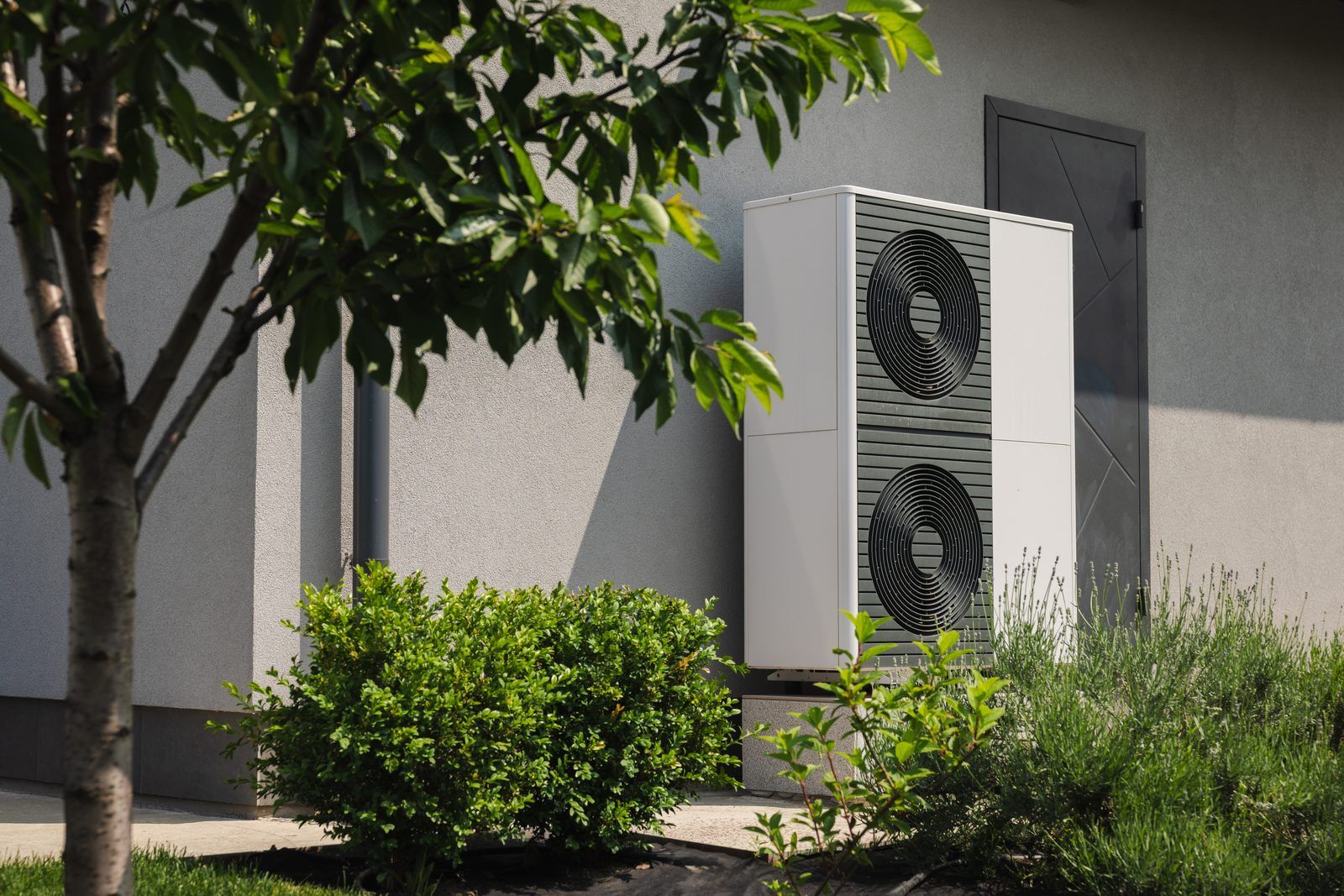
Replacing a heat pump is a chance to solve the problems you live with every day. It is also a decision with several moving parts: the equipment, the ductwork, the controls, and the home around them. A clear proposal should help you understand how those parts will work together.
A heat pump transfers heat between your home and the outdoors. It can provide cooling in warm weather and heating in cold weather. That two-season role makes it useful to discuss winter performance even when a Dallas summer has brought replacement to the top of your list. DOE overview of heat pumps.
What problem are we trying to solve?
Start with your own priorities. Frequent breakdowns, uncomfortable rooms, noise, and uncertainty about an aging system are different concerns. Write down your top three, then ask each contractor how the proposed work addresses them.
Bring service records if you have them. Ask whether a repair remains a reasonable option, what it would leave unresolved, and how the replacement recommendation was reached. The answer should connect to the condition of your system, not simply to a newer product being available.
How was the system size determined?
ENERGY STAR recommends a heating and cooling load calculation known as Manual J to establish the appropriate equipment size. It cautions that equipment that is too large or too small can struggle to provide the intended comfort. ENERGY STAR air-source heat-pump buying guidance.
Ask for an explanation of the calculation in everyday terms. Which features of your home mattered? Were the windows, insulation, and any additions considered? If you intend to improve the attic or replace windows soon, mention that before the final equipment selection. You want the proposal to reflect the home you are planning to live in.
What is included beyond the outdoor unit?
Ask for the exact indoor and outdoor equipment model numbers and an explanation of how the components match. Have the contractor identify any duct modifications, thermostat changes, electrical work, and removal of old equipment included in the price.
ENERGY STAR's hiring guidance recommends examining ducts and measuring airflow, and it advises homeowners to obtain written, itemized proposals. That is a useful foundation for comparing work that might otherwise look identical on a short estimate. ENERGY STAR contractor hiring tips.
If two proposals differ, ask the contractors to explain the scope before comparing the totals. One may include corrective work that the other leaves for later. Mark exclusions clearly, especially anything you would need to arrange with a separate company.
What happens during colder weather?
Ask how the proposed system maintains comfort when outdoor temperatures fall, whether supplemental heat is included, and how the controls decide when to use it. If a furnace is involved, ask how the equipment will coordinate. ENERGY STAR describes dual-fuel arrangements that combine a heat pump with a traditional furnace, but the appropriate choice depends on the home and installation.
Also discuss what you will notice as an owner. Ask the installer to explain normal operating sounds, thermostat settings, and the difference between routine operation and a reason to call for service. A brief demonstration can be more helpful than a stack of manuals alone.
What will the handover include?
Request a written schedule, payment terms, warranty information, and a list of the checks performed before the job is complete. Clarify who handles registration where required, what maintenance you must arrange, and whom to contact with an installation concern.
Keep the final model numbers, operating instructions, invoices, and warranty documents together. At the handover, walk through your original priorities again. If the uncomfortable bedroom was the main reason for the project, make sure that room is part of the conversation.
A good comparison leaves you able to explain what you are buying and why it fits your home. Request a free home visit with Apex Smart Homes to discuss your current system, comfort priorities, and replacement questions.


