THE APEX JOURNAL · Resilience
Freeze-Proofing a Dallas Home: Pipes, Attic and Backup Heat
What the February 2021 storm taught Dallas homeowners: find exposed pipes, learn your water shutoff, choose safe backup heat and make a winter plan together.
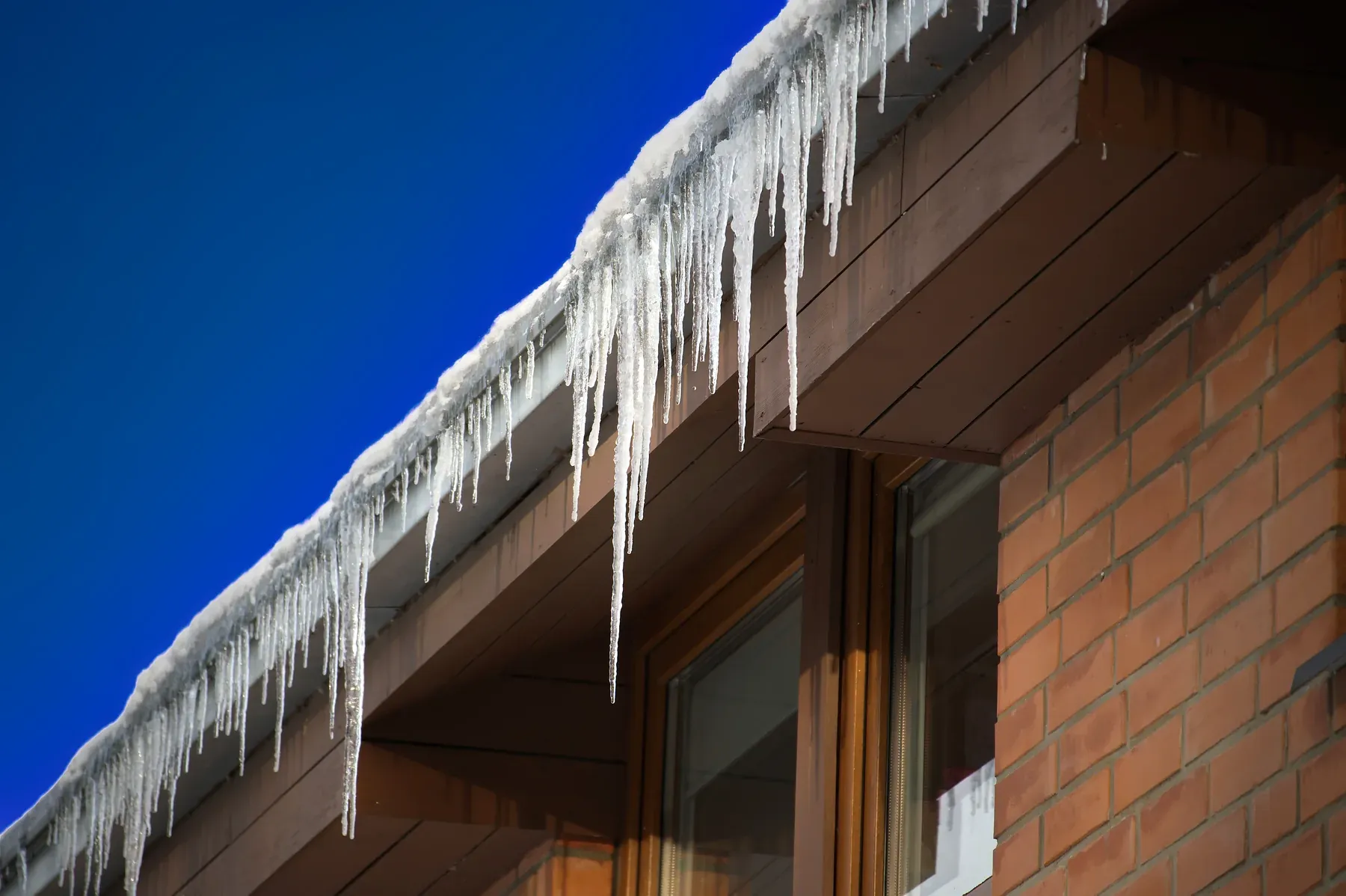
Most Dallas winters are mild enough that frozen pipes feel like someone else's problem. February 2021 changed that for many households. The National Weather Service office in Fort Worth recorded 139 consecutive hours at or below freezing at DFW Airport from February 13 to 19, with a low of minus 2 degrees on February 16. NWS Fort Worth summary of the February 2021 storm.
Long, deep cold finds the weak spots in a house: water lines in unheated spaces, outdoor faucets, gaps around the attic and an unclear plan for staying warm if the power fails. The best time to find those weak spots is on a mild afternoon, well before a freeze warning.
Walk the house and find exposed pipes
Pipes are most vulnerable where cold air can reach them. Take a notebook and a flashlight and look at:
- Outdoor faucets and the pipes that feed them
- Lines in the garage, including those serving a water heater or laundry
- Sinks on exterior walls, especially kitchens and bathrooms on the north side
- Any visible plumbing in the attic, if you can see it safely from the hatch
- Irrigation backflow devices and exposed lines near the foundation
Photograph what you find. A short list such as "hose bib on the north wall, attic line above the laundry" helps a professional prioritize pipe insulation and air sealing.
Prepare before the freeze arrives
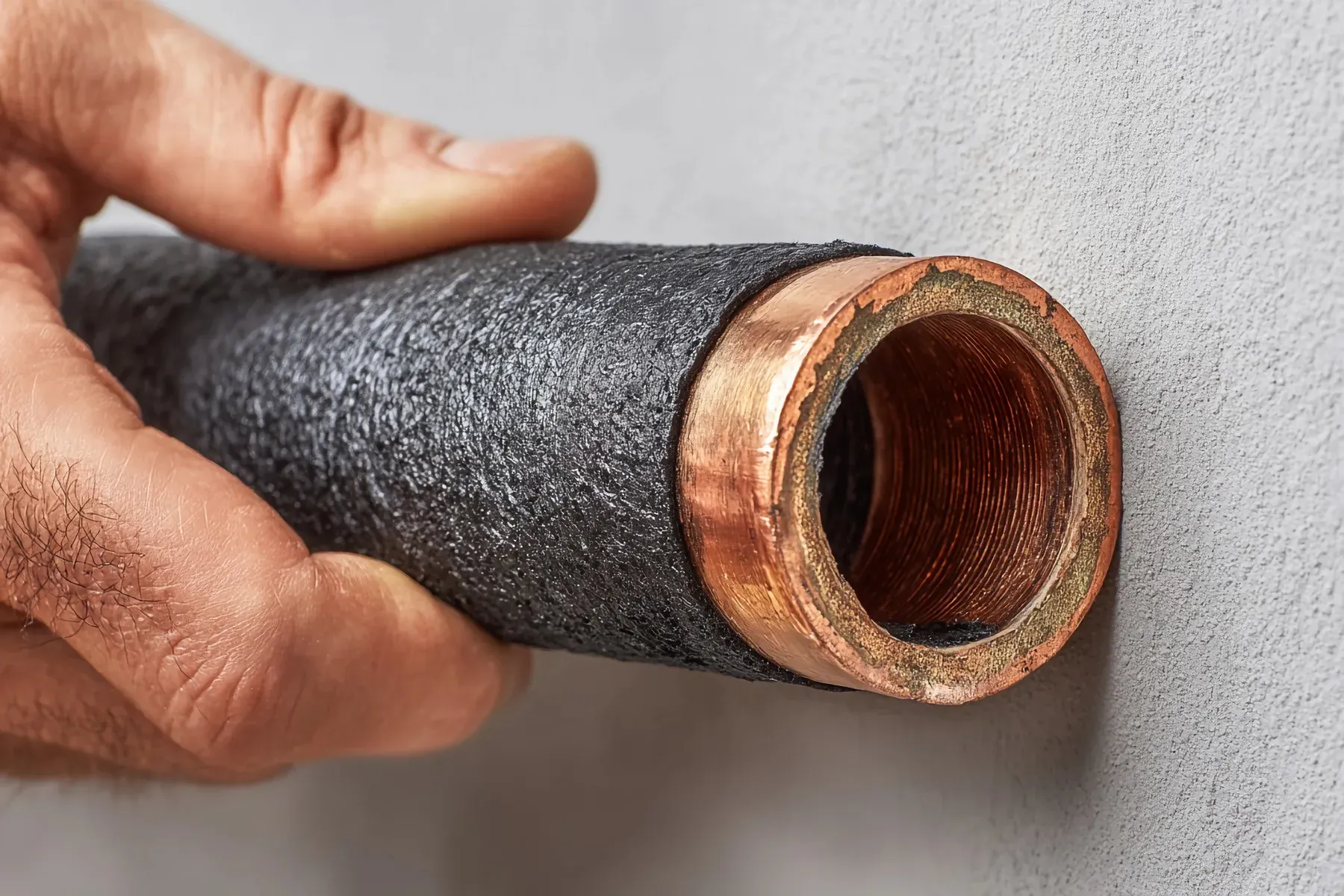
The City of Dallas recommends wrapping exposed pipes, draining garden hoses, insulating outdoor faucets and covering vents around the foundation before temperatures drop. During a freeze, it suggests letting hot and cold water drip slowly from indoor faucets and opening cabinet doors under sinks on exterior walls so warmer air can reach the pipes. City of Dallas freeze guidance.
Check the sprinkler system too. The city advises confirming that irrigation has a working rain and freeze sensor, or shutting it off by hand, because watering during a freeze can coat yards and streets with ice.
Ready.gov also recommends keeping the cold out with insulation, caulking and weather stripping. Gaps that let cold air into the attic or around plumbing penetrations matter in winter as much as in summer. Our guide to attic insulation and air sealing explains the order of that work.
Know where your water shutoff is
A burst pipe is much easier to handle if you can stop the water within minutes. City guidance says the private shutoff valve is often near an outdoor faucet close to the house. In older homes it may be a buried valve shaped like an upside-down L, and turning the handle perpendicular to the pipe stops the flow.
Find it now, clear away soil or plants and show everyone in the household how it works. If you will be away during a freeze, the city suggests shutting off water at that valve and draining outdoor faucets. For a water emergency, Dallas residents can call 3-1-1.
Choose backup heat that will not create a new danger
When the power goes out in cold weather, people improvise, and some of those choices are deadly. Ready.gov warns never to heat a home with a gas stovetop or oven, and to use generators and grills only outdoors. Ready.gov winter weather guidance.
CPSC recommends carbon monoxide alarms that run on batteries or have a battery backup, installed on each floor and outside sleeping areas. It says portable generators belong outside only, at least 20 feet from the home with the exhaust pointed away, and never inside a house or garage, even with doors open. CPSC carbon monoxide information.
CPSC also warns never to feed power into a home's wiring by connecting a generator through a wall outlet. That practice, called backfeeding, puts utility workers and neighbors at risk. CPSC portable generator safety alert. Any permanent connection to your home's wiring is a job for a licensed electrician.
If you are weighing permanent backup power, read our comparison of battery and standby generator options and our checklist on whether your panel is ready for battery backup.
Make a winter plan with your household
Ready.gov suggests stocking supplies for several days without power, including medications and pet needs, and signing up for local alerts. Learn the difference between a Winter Storm Watch, when hazardous conditions are possible, and a Winter Storm Warning, when hazardous weather is imminent or already happening.
Agree on a few details in advance:
- Who checks on older relatives or neighbors
- Where the household goes if the house gets too cold
- Who shuts off the water if a pipe breaks
- Where flashlights, batteries and pipe wrap are stored
Request a free home visit with Apex Smart Homes to go over exposed pipes, attic insulation and backup power before the next hard freeze.