THE APEX JOURNAL · Energy efficiency
Radiant Barriers in Dallas Attics: When They Help
Learn how radiant barriers work in hot Dallas attics, when ducts overhead make them worth a look, and why air sealing and insulation still come first.
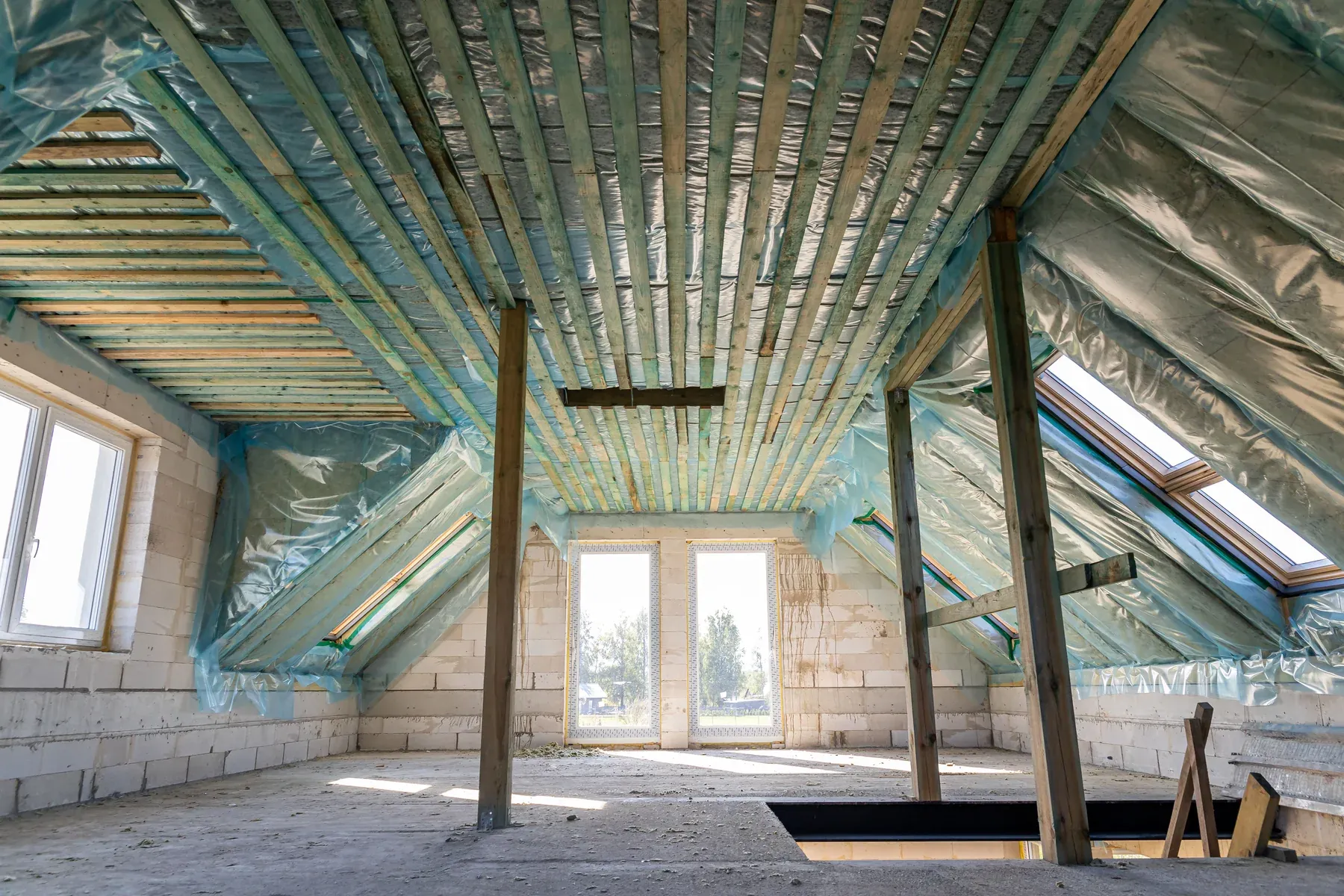
On a July afternoon in Dallas, the attic above your ceiling can feel like a different climate. Sun on the shingles heats the roof deck, and that deck radiates heat down toward the insulation, the ductwork and the air handler that many North Texas homes keep up there. Rooms under the attic can stay warm well into the evening.
A radiant barrier is one way to interrupt part of that heat flow. Claims about it vary widely, so it helps to know what it does and does not do before anyone quotes one. The Department of Energy's Building America Solution Center describes radiant barriers as most useful in sunny, hot climates, where attic temperatures can climb far above 100°F for much of the year. Building America attic radiant barrier guide.
What a radiant barrier actually does
A radiant barrier is a thin reflective layer, usually aluminum foil on a tear-resistant backing or laminated to roof sheathing. Aluminum reflects most radiant heat and gives off very little of its own. In an attic, the hot roof deck beams heat downward, and the foil keeps much of it from reaching the insulation on the attic floor.
The foil has to face an air space to work. The Florida Solar Energy Center's primer explains that foil pressed directly against a hot surface simply passes the heat along by conduction. It also makes clear that the barrier and the insulation do different jobs. Without a barrier, attic insulation absorbs the roof's radiated heat and slowly passes it down to the ceiling; the barrier keeps much of that heat from reaching the insulation in the first place. FSEC radiant barrier primer.
Why Dallas attics can be good candidates
Climate is the first filter. Building America guidance notes that the advantages shrink where summer heat gain from the attic is small, and that radiant barriers are seldom cost-effective in cold or mild marine climates. North Texas summers are a different story.
Ductwork is the second. When supply ducts and the air handler sit in the attic, they spend every summer afternoon surrounded by that radiated heat. The Solution Center points out that a radiant barrier keeps attic ductwork cooler in summer, which can be a meaningful benefit for homes built this way.
The third filter is your existing insulation. Both FSEC and Building America note that an attic insulated to roughly R-30 or better has relatively little heat flow left for a barrier to reduce. A thinly insulated attic with ducts overhead is a stronger candidate than a deeply insulated one with ducts inside the living space.

Where it goes and how it is installed
For an existing home, the usual approach is to staple foil sheeting to the underside of the rafters, truss chords or roof deck, shiny side facing down. When the roof deck itself is being replaced, a Building America performance brief describes foil-faced sheathing installed foil-side down as another route. Building America performance brief.
Laying sheet foil on top of the attic floor insulation is generally discouraged. Dust settles on upward-facing foil and reduces its effect over time, and the same brief warns that moisture can collect under a barrier resting on insulation, creating a risk of mold and wood rot. Perforated products are designed to let moisture pass through.
Good installations leave the attic room to breathe, with gaps at the soffits and ridge so ventilation continues. Product fire ratings matter, and installers must never staple through wiring. This is hot, cramped, hazardous work in a Dallas summer, and it belongs with a professional crew.
Air sealing and insulation still come first
A radiant barrier does not change how much attic insulation your home needs; the Building America brief notes that it does not reduce the insulation level required by code. ENERGY STAR recommends sealing air leaks in the attic floor before adding insulation, sealing ducts before burying them, and making sure crews do not step on or damage ductwork. ENERGY STAR attic insulation guidance.
If you are still working out that order, start with attic insulation and air sealing. If one room runs hot while the rest of the house is fine, the cause may be closer to the ductwork; our guide to duct leaks and home comfort covers what to look for.
Questions to bring to the conversation
Before agreeing to a radiant barrier, note what you can from the living space, then ask:
- Where are my ducts and air handler, and are the duct connections sealed?
- How deep is the current attic insulation, and is air sealing part of the plan?
- Where will the barrier be attached, and which way will the foil face?
- Is the product perforated, and what fire rating does it carry?
- How will soffit and ridge ventilation stay open?
- If a roof replacement is on the horizon, would foil-faced decking make more sense then?
- What should I expect to notice afterward, and how will we judge the result?
Be cautious with any proposal that promises a specific bill reduction. Results depend on the roof, the attic, the ducts and how your household uses the home.
Request a free home visit with Apex Smart Homes to sort out whether your attic needs a radiant barrier, more insulation, air sealing or duct work first.