THE APEX JOURNAL · Home improvements
Gutters, Drainage and Foundation Movement in Dallas Clay Soil
Why Dallas clay soil moves with the weather, how gutters and drainage protect the slab, and what to photograph before calling a structural engineer.
Many Dallas homeowners know the pattern. A door that latches easily in April starts rubbing in August. A hairline crack above a window looks wider after a dry spell, then seems to tighten after weeks of rain. Those changes often have as much to do with the ground under the house as with the house itself.
Much of the Dallas area sits on clay that changes volume as its moisture changes. A USDA soil description of Houston Black, the Texas state soil, explains that the Blackland Prairie where it occurs runs from north of Dallas south to San Antonio, and that its very high shrink-swell potential commonly limits building sites in metropolitan areas. USDA Houston Black soil profile.
Why clay soil keeps moving
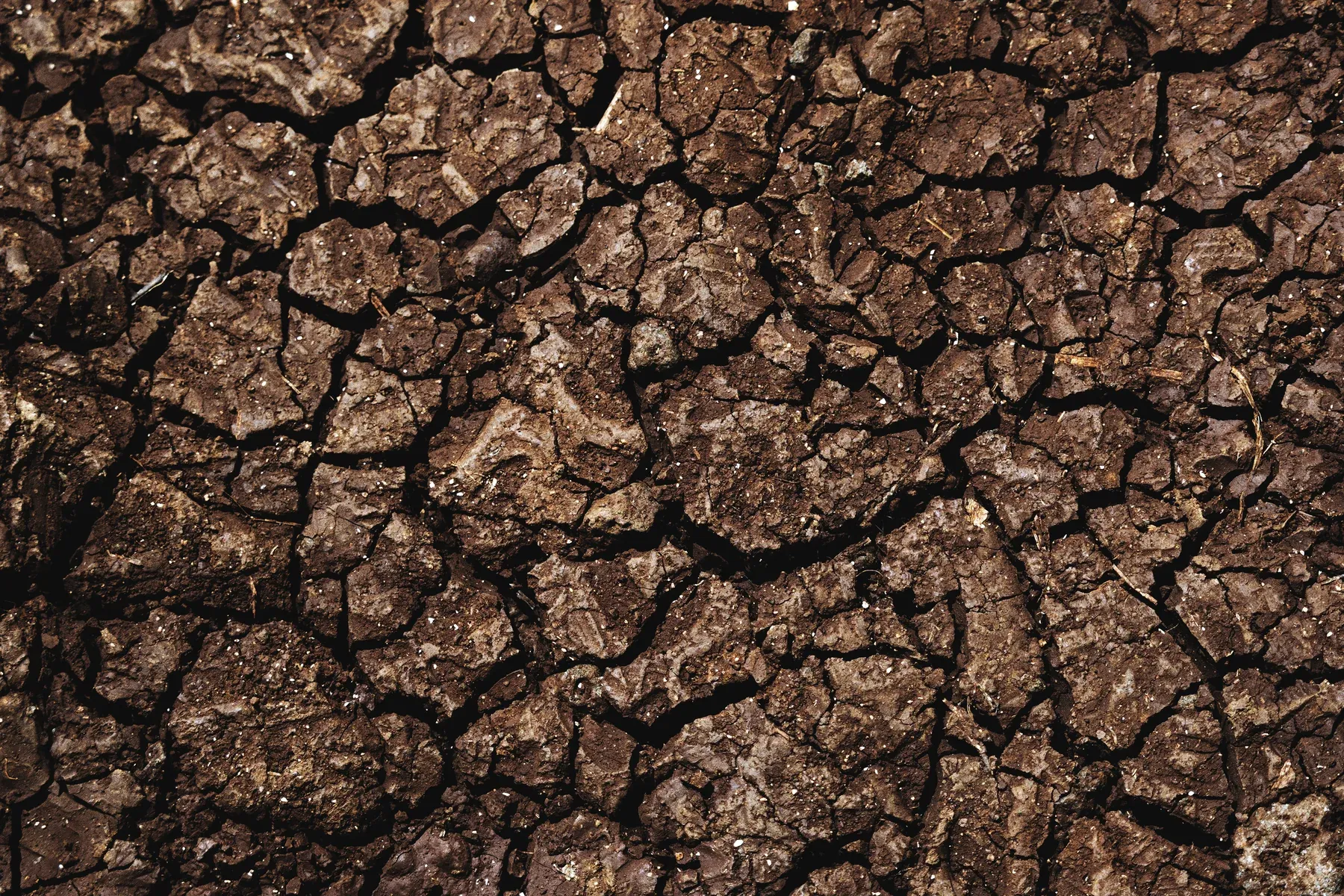
Expansive clays swell when they take on water and shrink as they dry. The same USDA profile notes that water enters these soils quickly when they are dry and cracked, and very slowly once they are moist.
The City of Richardson describes what that means for a slab. In drought, the soil contracts and can pull away from the foundation; after heavy rain, it swells and pushes back. It is the repeated swing between dry and wet, the city notes, that tends to cause foundation trouble over time. City of Richardson on drought, rain and foundations.
Not every lot behaves the same way, and how your particular soil behaves is a question for an engineer or soil scientist. Your goal as a homeowner is narrower: avoid sending sudden extremes of water, or long dry spells, to the soil around the slab.
Move roof water away from the slab
A roof collects more water than most people picture. DOE's Building America Solution Center notes that a few inches of rain on a roof can produce several thousand gallons of runoff, which can soak the soil at the foundation if it is released there. Building America guide to gutters and downspouts.
The same guide recommends:
- Gutters sloped toward the downspouts so water does not sit in them
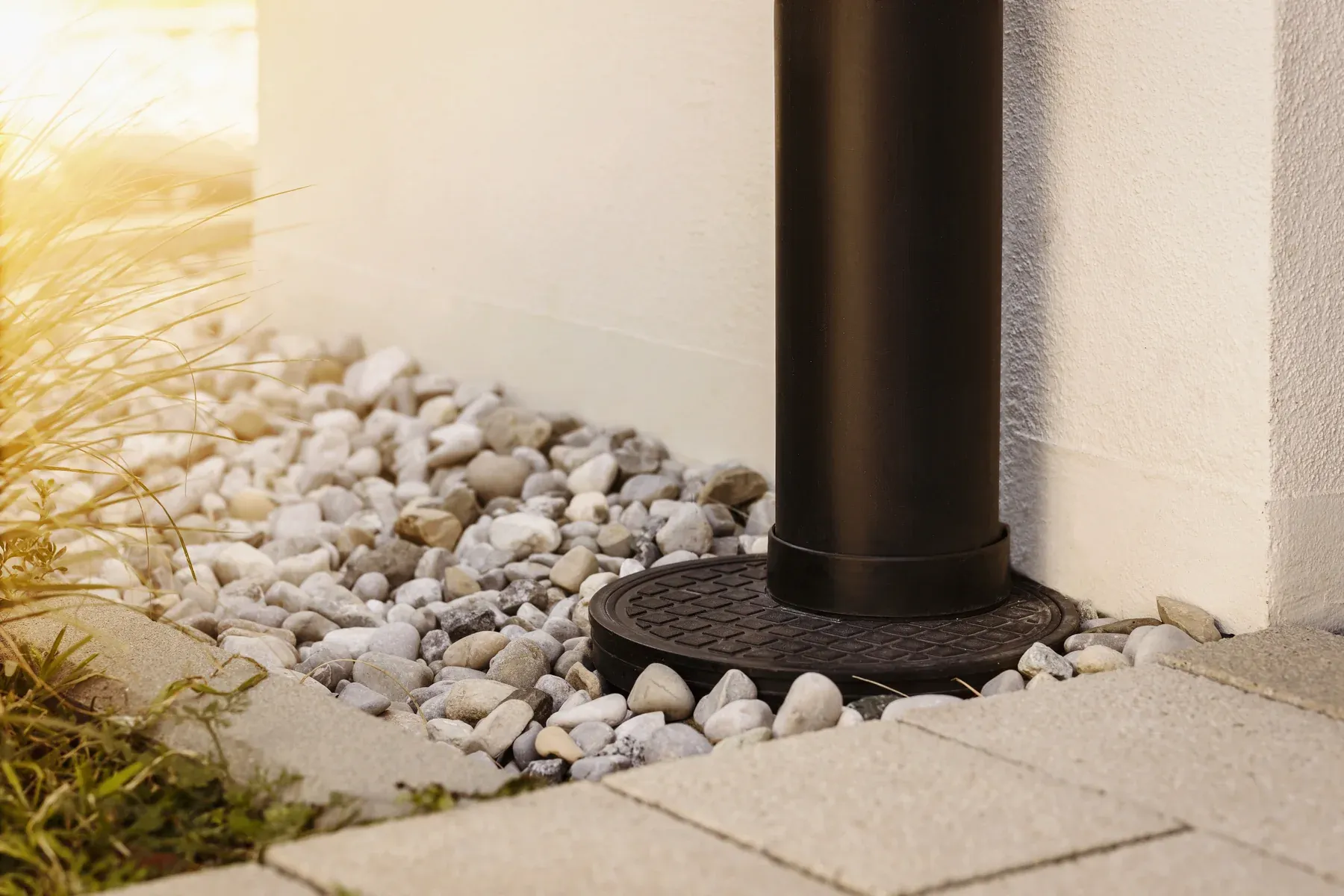
- Downspouts that end at least 5 feet from the foundation, or underground lines to a catchment at least 10 feet away
- Drain outlets that empty onto ground sloping away from the house
- Splash blocks where water leaves the pipe, to limit erosion
During the next steady rain, look from a dry, safe spot. Note where gutters overflow, where downspouts dump water at a corner and where puddles linger near the slab. Do not climb a ladder in wet weather to check.
Keep soil moisture steady in dry months
Drainage handles the wet side, but the dry side matters too. Richardson's guidance suggests watering the perimeter during dry periods with a soaker hose or drip line placed six to 18 inches from the foundation, and making sure water drains away from the house during wet periods.
Aim for consistency rather than soaking. Check current City of Dallas watering rules before setting a schedule, and treat new gaps between soil and slab as a sign the ground is drying out.
Look at grading as well. Flower bed borders that trap water against the foundation, or settled soil that now slopes toward the house, can undo good gutter work.
What to note and photograph
Keep a simple record so changes can be compared over time:
- Cracks in drywall at the corners of doors and windows
- Doors or windows that stick, will not latch or show uneven gaps
- Stair-step cracks in brick, or separation around window frames
- Gaps between soil and the slab edge in dry weather
- Water still standing near the house a day after rain
Photograph each item with a ruler or coin for scale, note the date and recent weather, and retake the same shot each season. Avoid deciding what a crack means on your own; the pattern over time is what a professional will want to see.
Who to call, and how roof and gutter work fits
Evaluating a foundation, and deciding whether and how to repair it, is a job for a structural engineer, not a general home-improvement team. The Texas Section of the American Society of Civil Engineers publishes guidelines for engineers who evaluate residential foundations, and its oversight committee has reported that the state engineering board heard from homeowners who misunderstood the limits of a basic first-impressions visit. Ask any engineer which level of evaluation you are paying for and what it will include. ASCE Texas Section on residential foundation guidelines.
Roof work is where drainage starts. If a roof replacement or storm repair is planned, ask how gutters, downspouts and discharge points will be handled within that scope. Storm-damage insurance coverage depends on your policy and claim. For what to look for after severe weather, see our guide to checking a roof from the ground.
Request a free home visit with Apex Smart Homes to check how your roof sheds water and where gutter discharge fits into your next roof or home improvement project.