THE APEX JOURNAL · Resilience
Is Your Electrical Panel Ready for Battery Backup?
Before adding a home battery or generator, look at the electrical panel: capacity, open breaker spaces, backed-up circuits, transfer equipment and Dallas permits.
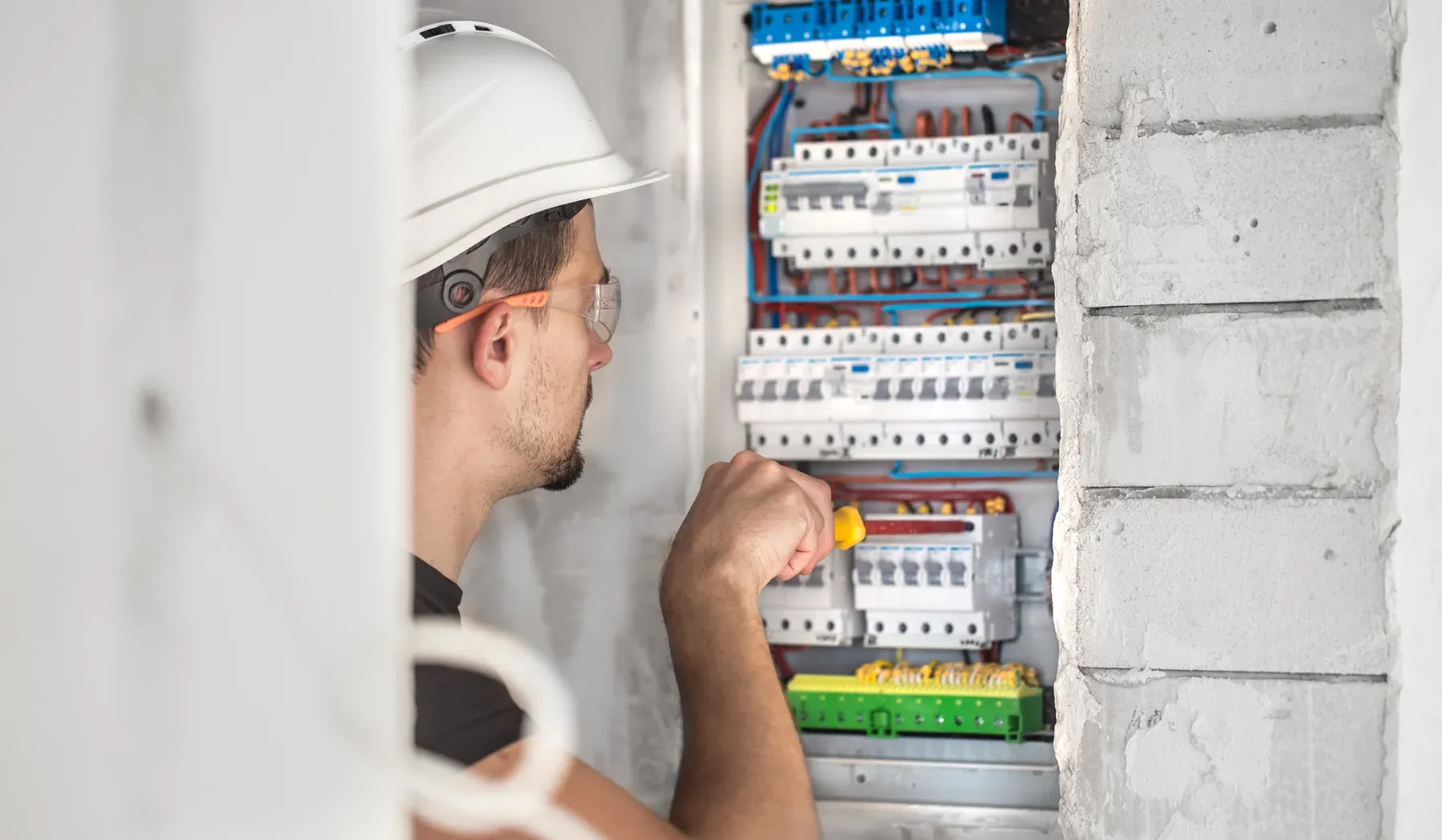
Backup power conversations usually start with the battery or the generator. The electrical panel deserves equal attention. Every backup system has to connect to your home's wiring somewhere, and the panel's age, capacity and layout shape what is practical and what may need upgrading first.
For homes inside the City of Dallas, the permitting picture also changed in 2025. A city bulletin explains that two Texas laws, Senate Bills 1202 and 1252, took effect on September 1, 2025 and changed how cities review residential solar, energy storage and backup power systems. Changes to your existing wiring still need their own electrical permit. City of Dallas backup power permitting bulletin.
Start with what you can observe
You do not need to open the panel to gather useful information. Leave the cover on and note:
- Where the panel is and how easy it is to reach
- Roughly how old the home and the panel are
- The amp rating, if it is printed on the main breaker or the panel label
- Whether there are open breaker spaces, or every slot is filled
- Breakers that trip often, buzzing sounds, warmth or scorch marks
Photograph the panel label and the breaker directory. If you notice heat, a burning smell or sparking, call a licensed electrician rather than resetting breakers again and again.
Decide what the backup system should carry
A panel review is easier when the goal is clear. Ready.gov suggests listing the items in your home that rely on electricity, and talking with medical providers about a plan for powered devices and refrigerated medicines. Ready.gov power outage guidance.
From there, most designs follow one of two broad approaches:
- Critical loads: selected circuits, such as the refrigerator, some lights, internet equipment and a few outlets, move to a separate subpanel that the backup system supplies.
- Whole home: the backup system connects so it can serve most or all of the house, often with controls that manage large appliances.
Each approach affects the panel differently. A critical-loads design needs room for a subpanel and careful circuit choices. A whole-home design raises questions about service capacity and the main panel itself. Our comparison of battery or standby generator options explains how household priorities shape the equipment choice.
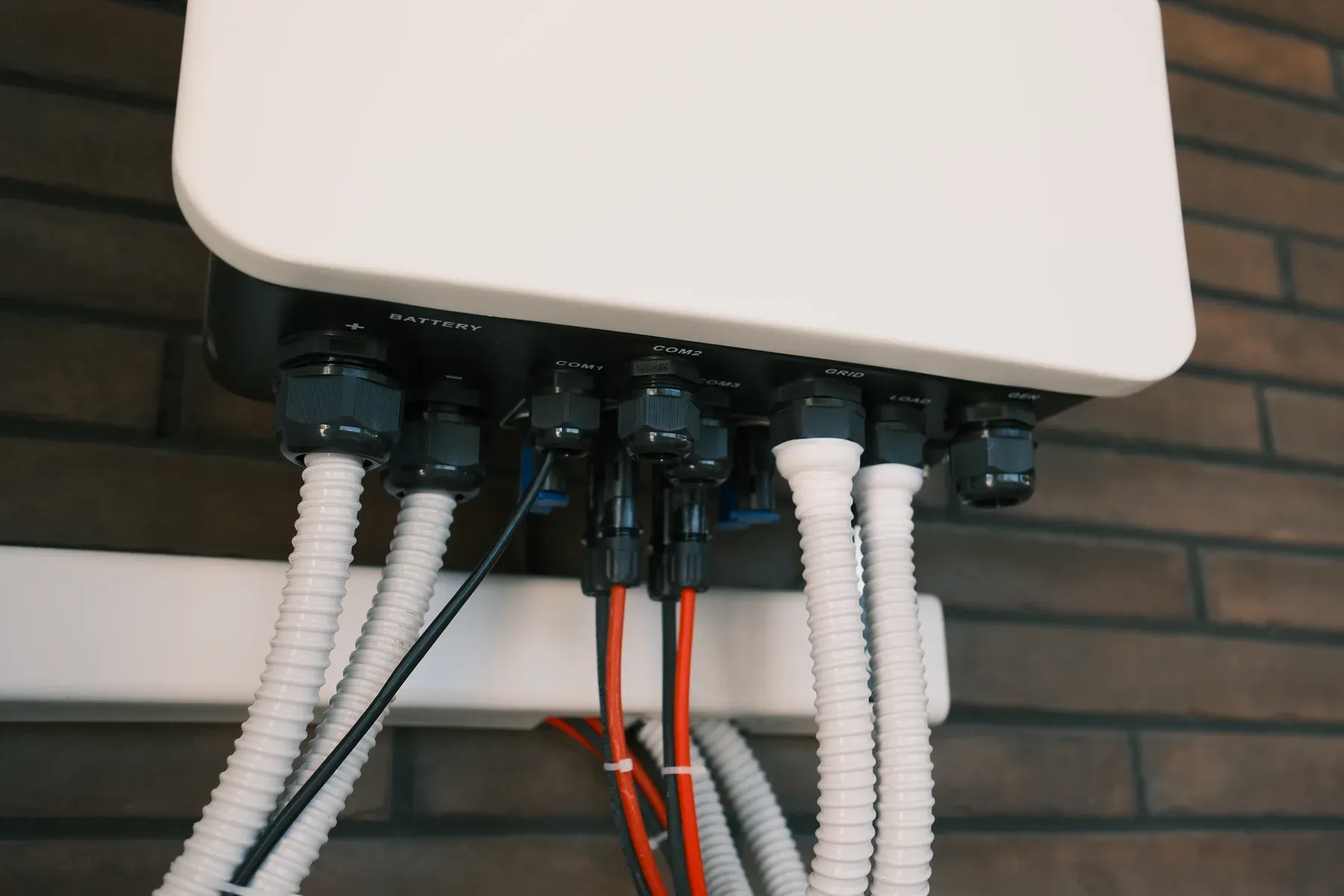
Transfer equipment keeps power where it belongs
During an outage, a backup system has to keep your home separated from the utility lines. CPSC warns that plugging a generator into a wall outlet to power house wiring, known as backfeeding, creates an electrocution risk for utility workers and neighbors served by the same transformer, and bypasses some household circuit protection. CPSC portable generator safety alert.
Permanent systems use transfer equipment, such as an automatic transfer switch or comparable controls built into a battery system, to make that separation. Ask your installer:
- What equipment will isolate the home from the grid during an outage?
- Does the switchover happen automatically, and what will we notice when it does?
- Will the system ever run while connected to the grid, and does that need paperwork or approval from our electric delivery utility, such as Oncor?
Permits, inspections and battery placement
The Dallas bulletin lists work that needs a separate electrical permit, including service rebuilds with transfer switches or relays, service or emergency disconnects, added or replaced panelboards, new or relocated circuits, and grounding changes. It also describes a third-party review path under SB 1202 that requires a signed homeowner letter. For smaller systems, up to 50 kilowatts of output or 100 kilowatt-hours of storage, it says the city does not regulate or inspect the backup portion itself, though zoning, building code review and wiring permits still apply. Ask your contractor which path they plan to use and who performs the inspections.
Battery placement matters too. NFPA's energy storage fact sheet describes thermal runaway, in which an overheating battery cell can heat neighboring cells, and points to NFPA 855 as the standard for installing energy storage systems. NFPA energy storage safety fact sheet. Ask where the battery will go, what clearances apply and how the system shuts down in an emergency.
Leave the panel to licensed professionals
Panel upgrades, subpanels and transfer equipment involve live service wiring and code requirements. This is never a do-it-yourself project. Bring your observations, photos and priority list, and ask for a written scope that names each panel change, permit and inspection.
If summer outages are part of your planning, see how to prepare your Dallas home for summer heat and power outages.
Request a free home visit with Apex Smart Homes to review your panel, backup priorities and transfer options in one conversation.